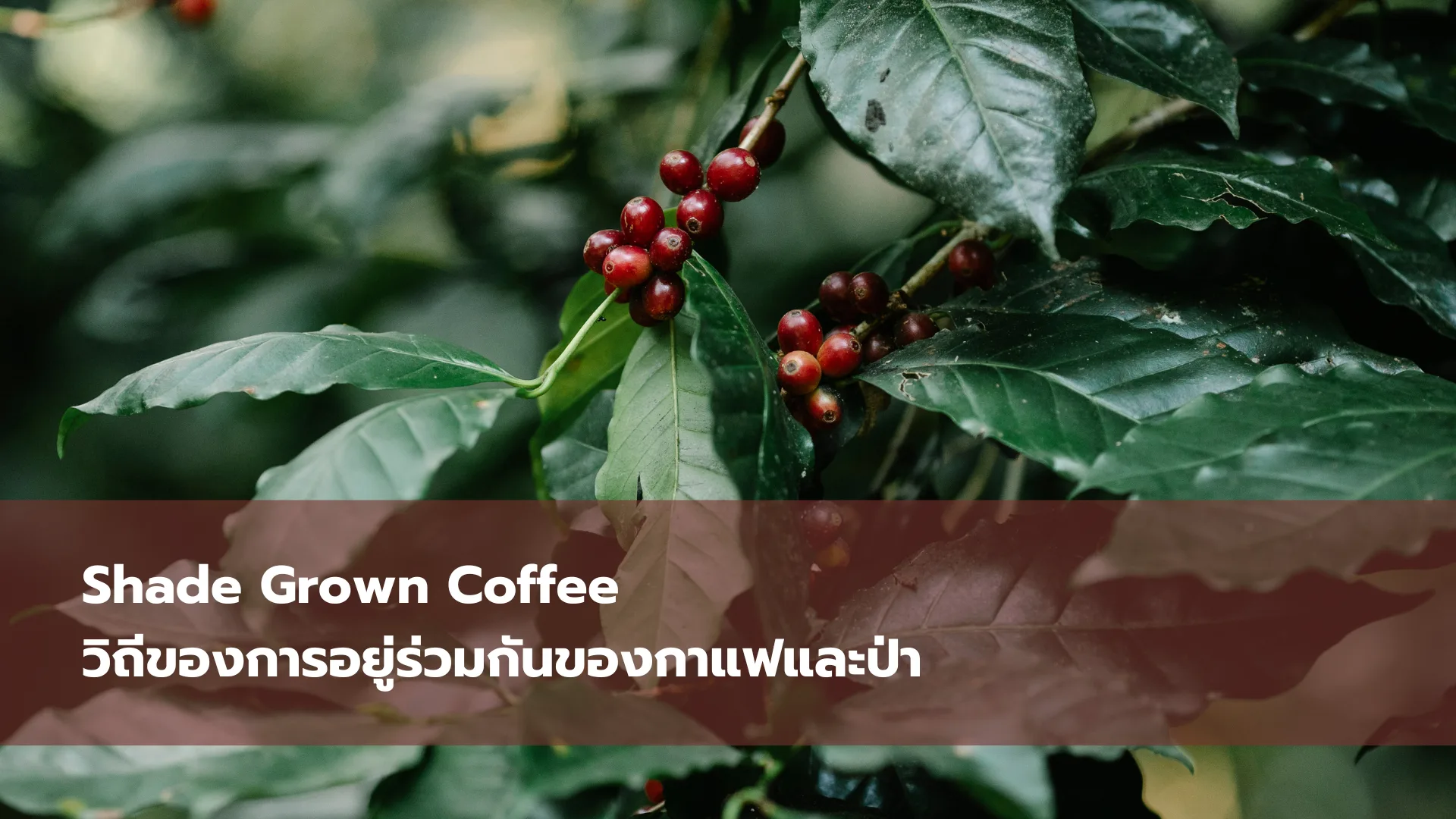
We may be used to making coffee every day. But if we look at what goes into a good cup, quality coffee beans make all the difference to its flavor and aroma. That quality starts with the way farmers choose to grow their coffee. In this article, we’ll introduce you to Shade Grown Coffee, coffee grown beneath the canopy of large trees, which gives it a distinctive flavor, along with some surprising benefits of this growing method.
Shade Grown Coffee, coffee grown beneath large trees for exceptional quality
Shade Grown Coffee is a method of growing coffee beneath the canopy of large trees. Many people will recognize one product of this growing method: “100% organic coffee.” Coffee grown this way is often considered higher quality than coffee grown in full sun or using the Partial Shade Grown Coffee method, where coffee plants receive only partial shade. Each method has its own advantages and disadvantages.
Shade Grown Coffee is grown without exposing coffee plants to full sunlight. Instead, they grow beneath the shade of large trees, which filter the sunlight to provide conditions suited to the coffee variety. This method is most often used to grow “Arabica” coffee, which takes longer to produce but yields high-quality beans.
This growing method requires relatively little investment and maintenance. Coffee grows in a natural environment, especially beneath large trees, where the soil is rich in nutrients that support the plants’ growth. The forest also provides a cooler climate, so coffee cherries ripen more slowly and have more time to absorb nutrients.
When the cherries from Shade Grown Coffee are processed, they produce coffee with a complex aroma and flavor, as well as exceptional quality. Many coffee lovers are happy to pay for organic coffee grown this way.
The pros and cons of Shade Grown Coffee
The advantages of Shade Grown Coffee, or coffee grown beneath the shade of large trees, include its high-quality flavor and its benefits for the natural environment. Coffee lovers also vouch for its delicious taste. This growing method can help reduce the burning of trees, one of the causes of PM 2.5 pollution. It is also a long-term farming approach that helps nourish forests and keep the soil fertile.
It also uses less water than growing coffee in full sun. Forest soil tends to retain more moisture and is rich in beneficial nutrients, helping coffee plants grow well. As a result, less tap water is needed for cultivation. Tap water is generally only used later, during processing.
However, this growing method also has some clear disadvantages. Compared with growing coffee in full sun or partial shade, growing it beneath large trees takes considerably longer. The plants produce a smaller yield, and it takes a long time before the coffee is ready for processing, which can be a challenge for businesses that need a continuous supply. But when it comes to the quality of the coffee, the wait is well worth it.
Shade Grown Coffee is a nature-friendly way to grow coffee that can provide farmers with a long-term source of income. Although it takes a long time to grow and produce a harvest, the quality, flavor, and aroma make a lasting impression on those who try it. It’s no wonder so many coffee lovers choose organic coffee grown this way, whatever the price.