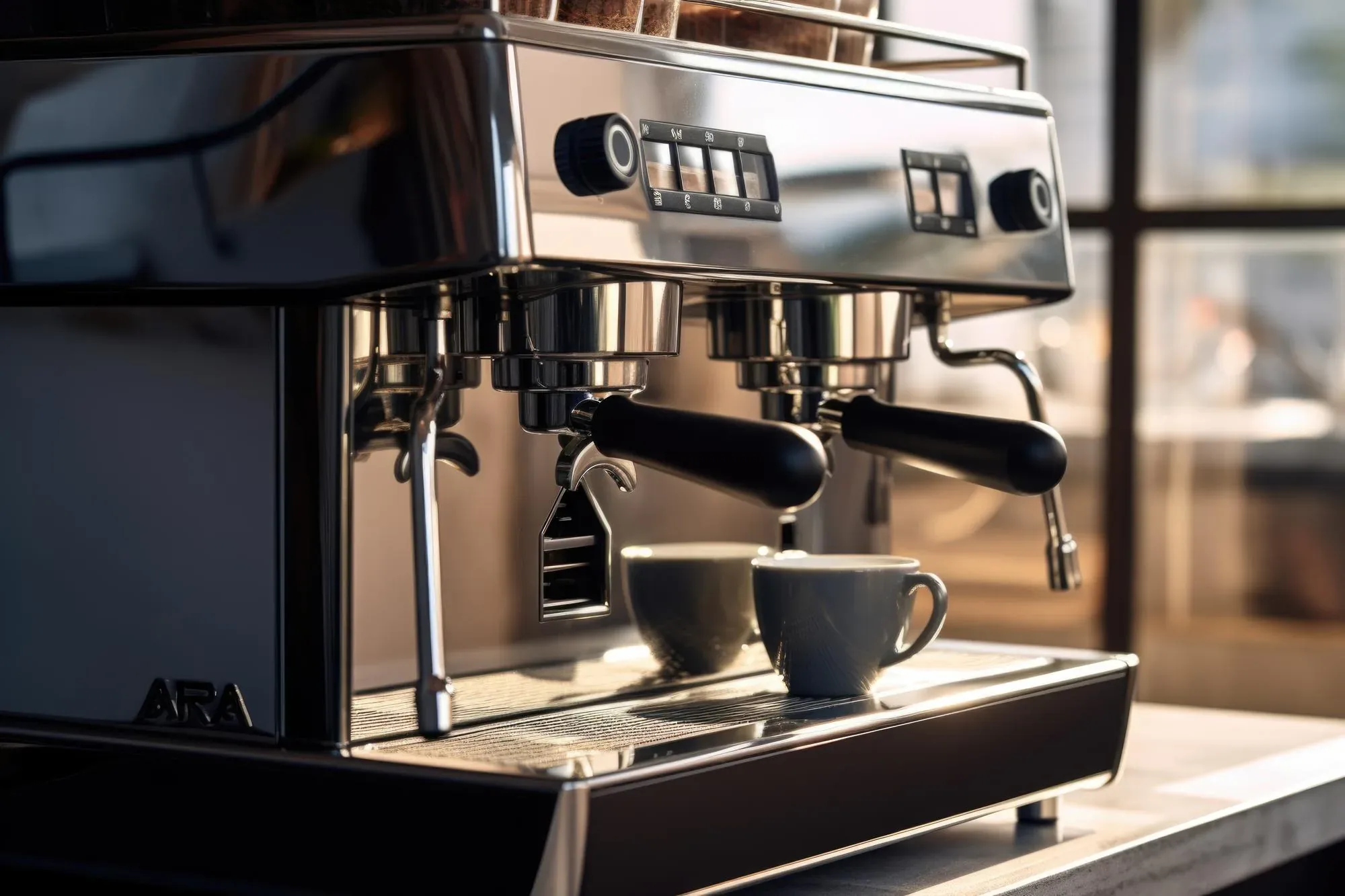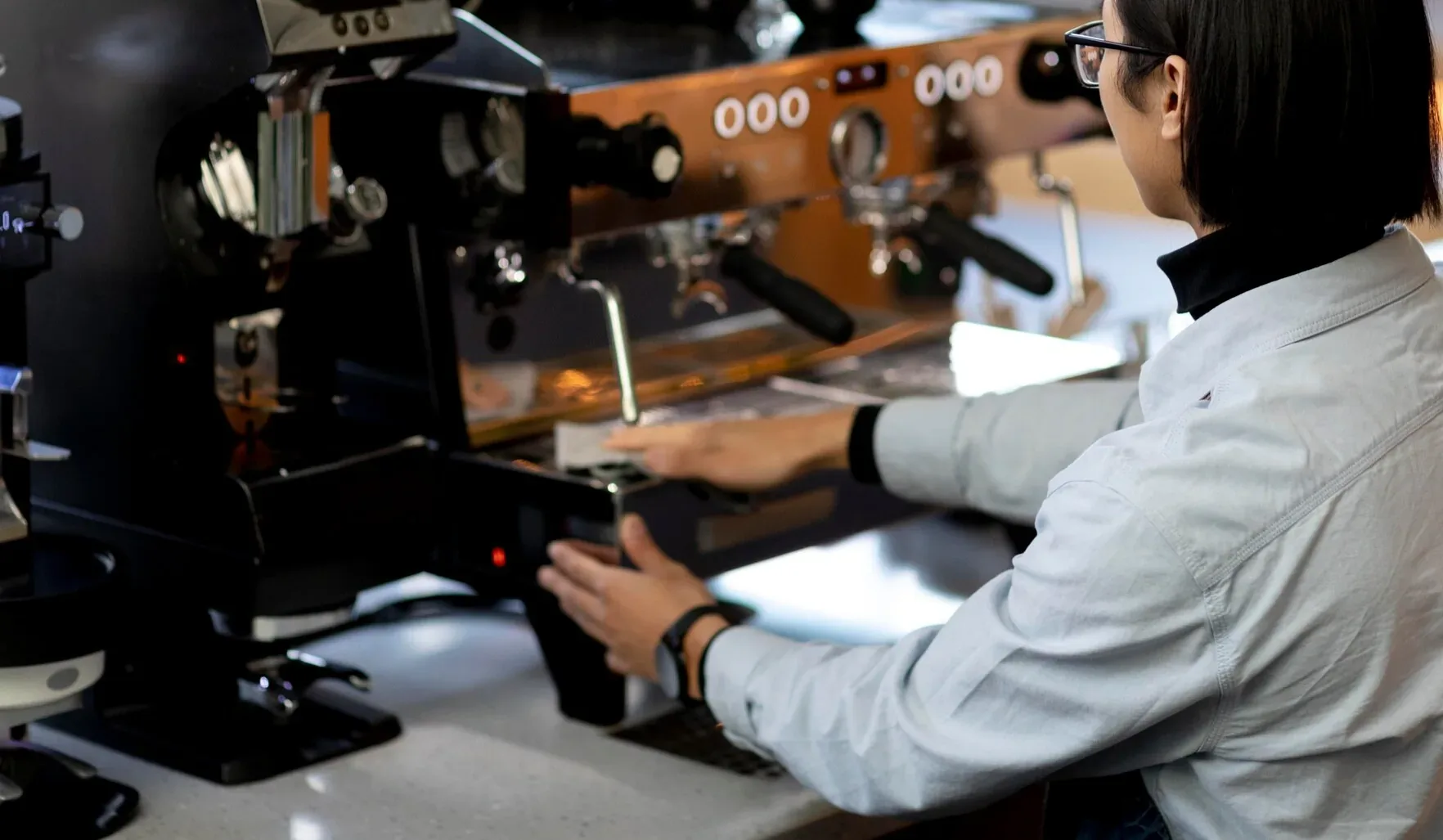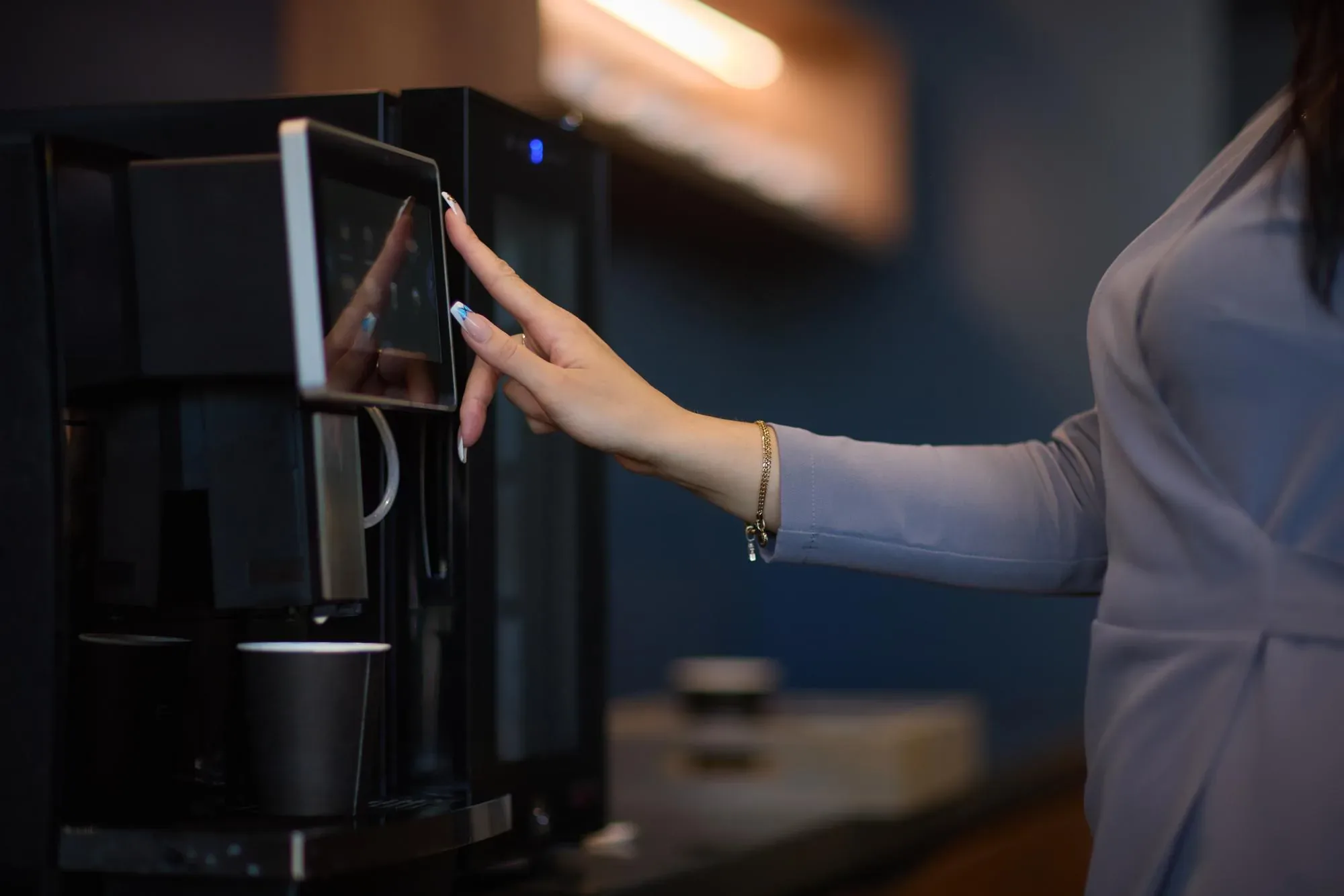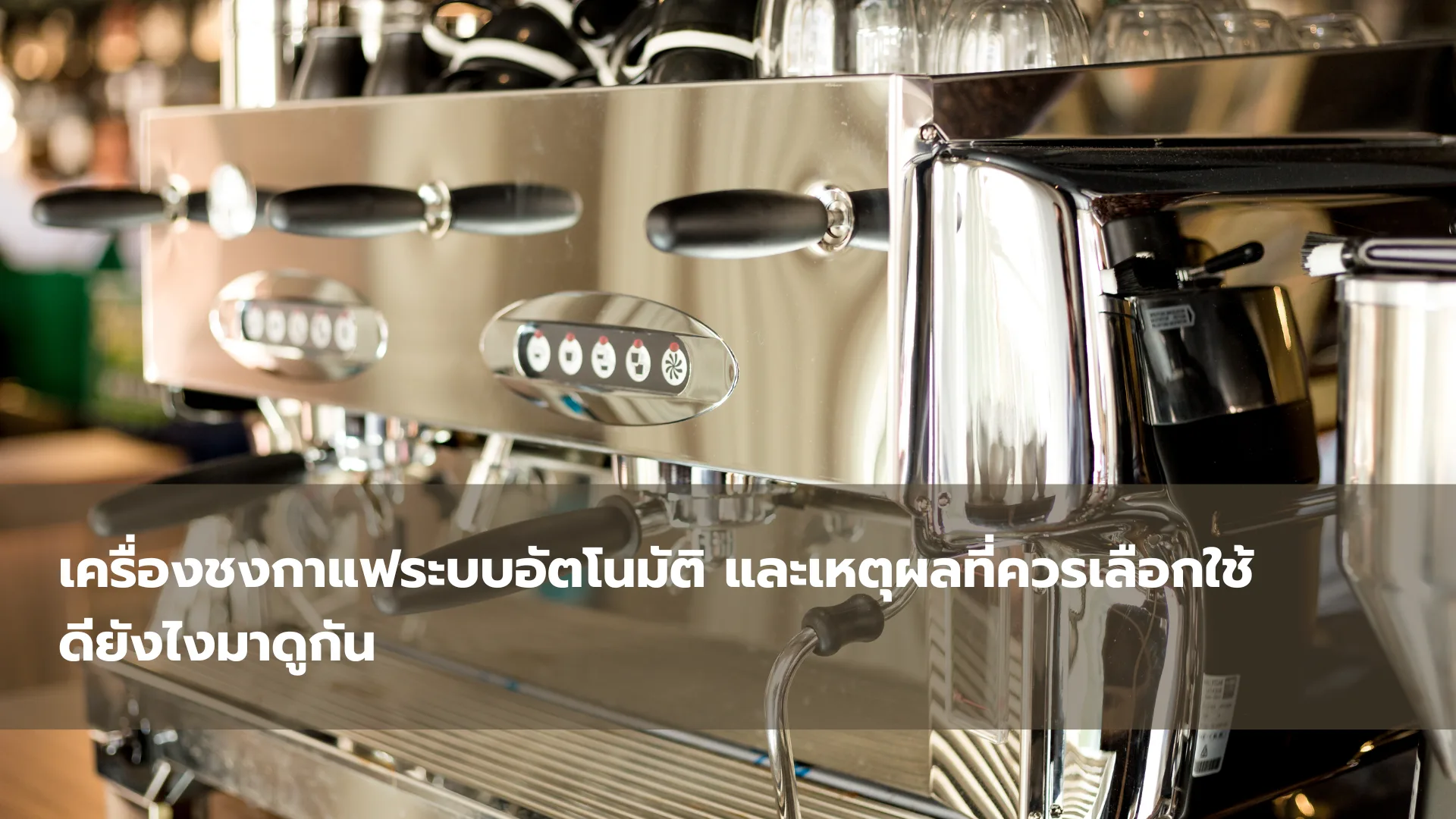
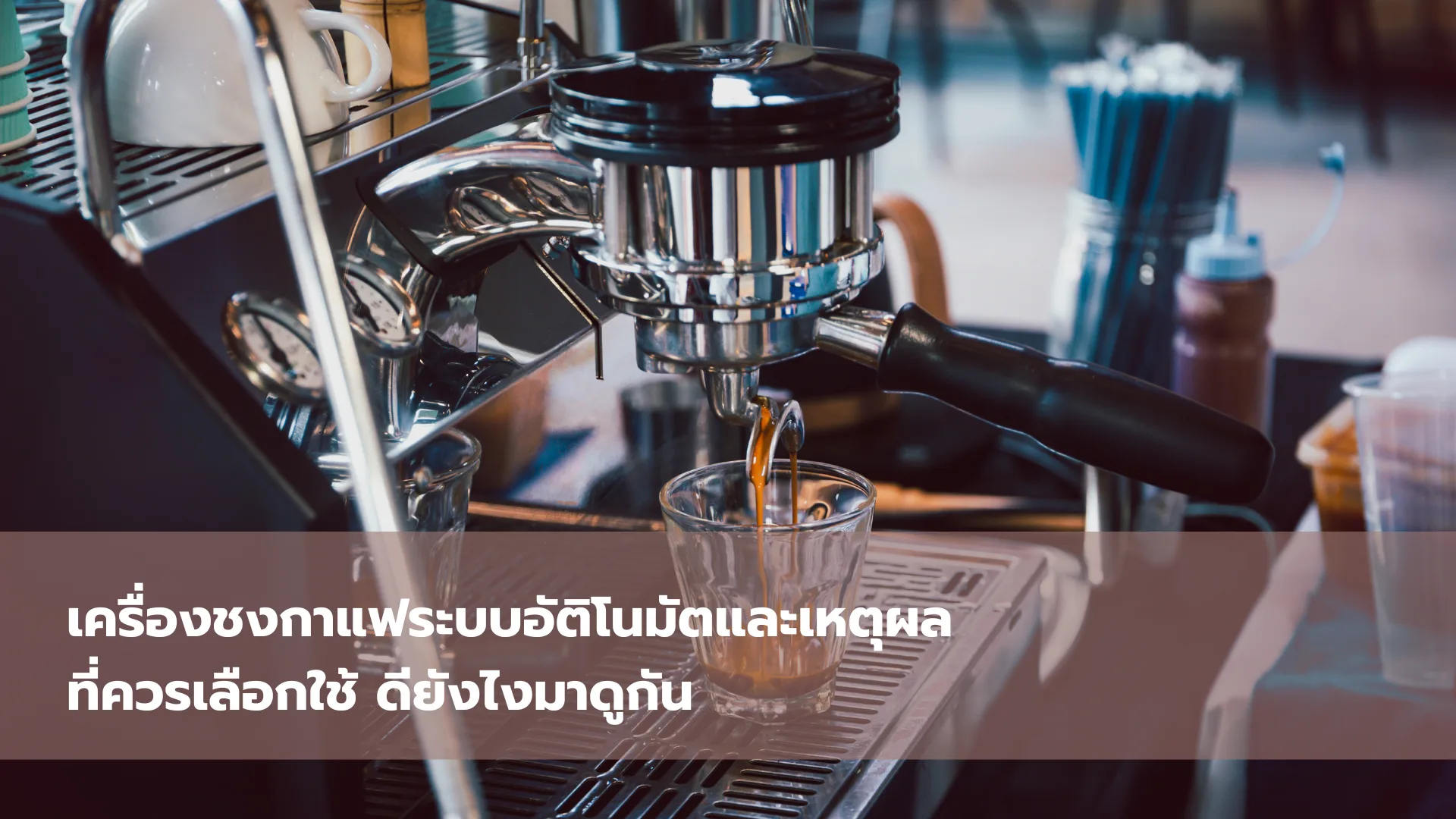
Espresso machines are among the most popular types of coffee machines worldwide. While they tend to be quite expensive, their versatility makes them an excellent choice for anyone who enjoys a variety of coffees. Whether you prefer a large or small cup, a milk-based coffee or a black coffee, an espresso machine can make them all. Today, we’ll take a closer look at espresso machines and explore what makes them so interesting.
3 Types of Espresso Machine Technology: Let’s Take a Look
Espresso machines come in many different types, each with its own features and capabilities. They also vary in price. Today, we’ll introduce you to the following types of espresso machines.
1. THERMOBLOCK Espresso Machines
THERMOBLOCK espresso machines are relatively affordable and well suited to home use. They have a single boiler and usually offer 2 heating modes. The first heats water to the right temperature for brewing coffee, while the second heats water to produce steam for frothing milk. These machines cannot maintain a precise water temperature, and you have to choose between brewing coffee and steaming milk, which limits how many coffees you can make. For this reason, they are not commonly used in commercial settings or cafés, but are a good fit for households that make only a few cups a day.
However, Thermoblock technology has the advantage of heating fresh water for each coffee, rather than leaving it sitting in a boiler. The system draws fresh water through a heating tube every time you brew, helping keep the coffee’s aroma and flavor clean, since the water does not sit in the boiler for long periods when the machine is used infrequently. It also helps reduce scale buildup in the boiler and water pipes.
These machines typically use a vibration pump to create water pressure. One drawback of this type of pump is that it can be quite noisy. The pressure needed is 9 bar or 130 PSI, but these pumps are often set much higher, at 15 bar or 220 PSI. As a result, these machines have a valve that opens when the pressure exceeds 9 bar to bring it down. After using the machine for a while, users may need to adjust this setting.
Today, manufacturers have improved Thermoblock technology to make it more stable and effective for both brewing coffee and steaming milk at the right pressure. You can find this technology in brands such as ascaso.
2. Heat Exchanger Espresso Machines
Heat exchanger espresso machines are well suited to cafés and use fairly good technology. They have one main boiler, along with a smaller boiler that holds water at around 120 degrees Celsius to produce steam for frothing milk. This water may be too hot for brewing coffee, so the machine pumps cold water through a heat exchanger, which consists of a pipe running through the boiler. The water is heated by the boiler water to the desired temperature. The advantage of this technology is that you can steam milk while brewing coffee, reducing the time needed for each cup and allowing you to prepare the espresso shot in time.
These machines use a mechanical mechanism to measure temperature, so results may vary. Higher-quality machines can control the boiler temperature more effectively. Heat exchanger espresso machines may come with a vibration pump or a rotary pump, which is used in commercial machines because it is quieter and easier to adjust. Heat exchanger systems are suitable for home use and small-scale commercial use, depending on the boiler’s capacity.
3. Dual Boiler Espresso MachinesDual boiler espresso machines have separate water supplies for brewing and steaming. They have one boiler for brewing coffee and another, separate boiler that heats water to a higher temperature to produce steam for frothing milk. The temperature of this boiler is controlled digitally, making it easy to adjust and more stable. These machines are well suited to large commercial cafés and offices. They are also more expensive than the 2 types we’ve discussed.
These are the 3 types of espresso machines we wanted to introduce. They differ in their operating systems and in how precisely they control the temperature for brewing and producing steam to froth milk. If you have questions about espresso machines or would like to learn more, visit our website.